How CPU Architecture Shapes Computing
The world of computing is deeply influenced by the design of its core component - the processor. Every task your computer performs, from opening a simple document to running complex simulations, depends on how the processor is built. This design, known as CPU architecture, determines the efficiency, speed, and capabilities of a computer system. Understanding processor design is essential for grasping how modern technology functions and evolves.
Understanding Processor Design: The Heart of Computing
Processor design refers to the blueprint and structure of a CPU, which dictates how it processes instructions and manages data. At its core, a processor executes instructions from software, but the way it does this varies widely depending on its architecture.
There are several key elements in processor design:
Instruction Set Architecture (ISA): This defines the set of commands the CPU can understand and execute. Examples include ARM, x86, and RISC-V.
Microarchitecture: This is the implementation of the ISA, detailing how the processor's components like ALUs (Arithmetic Logic Units), registers, and caches are organized.
Pipeline Design: Modern CPUs use pipelining to process multiple instructions simultaneously, improving performance.
Cache Hierarchy: Efficient cache design reduces the time it takes to access frequently used data.
Core Count and Multithreading: More cores and threads allow for better multitasking and parallel processing.
For example, ARM processors, commonly found in smartphones, are designed for energy efficiency, while x86 processors, prevalent in desktops and laptops, focus on raw performance. The design choices in processor architecture directly impact power consumption, heat generation, and processing speed.
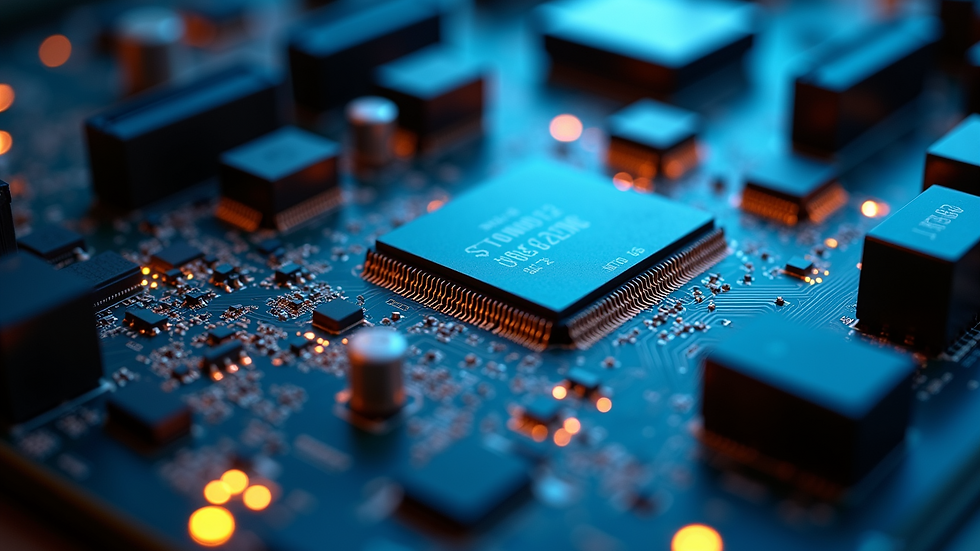
The Role of CPU Architecture in Modern Devices
The cpu architecture influences not only performance but also compatibility and software development. Different architectures require software to be compiled specifically for them, which is why some applications run only on certain devices.
For instance, Apple's transition from Intel x86 processors to their own ARM-based M1 chips required developers to adapt their software to the new architecture. This shift brought significant improvements in battery life and performance for MacBooks.
In embedded systems, such as those in cars or IoT devices, the choice of CPU architecture affects reliability and power efficiency. Designers must balance performance needs with constraints like size, cost, and energy consumption.
Key impacts of CPU architecture include:
Performance: Determines how fast and efficiently tasks are executed.
Power Efficiency: Critical for mobile and battery-powered devices.
Software Compatibility: Influences which applications can run on a device.
Security Features: Some architectures include hardware-level security enhancements.
Understanding these factors helps in selecting the right processor for specific applications, whether for gaming, professional work, or everyday use.
Is X64 a CPU Architecture?
The term "x64" often comes up in discussions about processors, but what exactly does it mean? Is x64 a CPU architecture?
"x64" refers to a 64-bit extension of the x86 architecture, originally developed by Intel. It is also known as x86-64 or AMD64, reflecting its origins with AMD. This extension allows processors to handle more memory and perform more complex calculations than their 32-bit predecessors.
While x64 is not a standalone CPU architecture, it is a significant evolution of the x86 architecture. It maintains backward compatibility with 32-bit software while enabling modern 64-bit computing capabilities.
Why is x64 important?
Increased Memory Access: Supports more than 4GB of RAM, essential for modern applications.
Enhanced Performance: Allows for wider data paths and registers.
Compatibility: Runs both 32-bit and 64-bit applications, easing software transition.
Most desktop and laptop processors today use the x64 architecture, making it a standard for personal computing.

Practical Recommendations for Choosing a Processor
When selecting a processor, understanding the underlying design can guide better decisions. Here are some actionable tips:
Identify Your Needs: Are you gaming, video editing, programming, or just browsing? Different tasks benefit from different architectures and core counts.
Consider Power Consumption: For laptops and mobile devices, energy-efficient architectures like ARM can extend battery life.
Check Software Compatibility: Ensure your essential applications support the processor’s architecture.
Look at Future Proofing: Opt for processors with newer architectures to benefit from ongoing software and hardware improvements.
Balance Cost and Performance: High-end CPUs offer great performance but at a premium price. Mid-range processors often provide the best value.
For example, a content creator might choose a multi-core x64 processor for its performance, while a casual user might prefer an ARM-based processor for its efficiency.
The Future of Processor Design and Computing
Processor design continues to evolve rapidly. Innovations like heterogeneous computing, where CPUs combine different types of cores for efficiency and performance, are becoming mainstream. Quantum computing and neuromorphic chips promise to revolutionize how we process information.
Moreover, the rise of AI and machine learning workloads is pushing processor manufacturers to integrate specialized units like Tensor Processing Units (TPUs) alongside traditional cores.
Understanding these trends helps anticipate how computing will change and what new capabilities will emerge.
Emerging trends include:
Increased Core Counts: More cores for parallel processing.
Specialized Processing Units: For AI, graphics, and security.
Energy Efficiency: Critical for sustainability and mobile computing.
Modular Architectures: Allowing customization for specific tasks.
Staying informed about processor design helps users and developers make the most of technological advances.
Exploring how processor design shapes computing reveals the intricate balance between hardware capabilities and software demands. The choices made in CPU architecture influence everything from device performance to user experience. As technology advances, understanding these fundamentals becomes increasingly valuable for navigating the digital world.


Comments